Buy visionblog.eu ?
We are moving the project
visionblog.eu .
Are you interested in purchasing the domain
visionblog.eu ?
domain@kv-gmbh.de · 0541-91531010
Buy visionblog.eu ?
In which direction does the current flow, in which direction do the electrons always flow?
The current flows from the positive terminal to the negative terminal in a circuit, following the conventional flow of positive charge. However, the electrons always flow in the opposite direction, from the negative terminal to the positive terminal. This is due to the historical convention of defining current flow before the discovery of the electron, which led to the opposite direction of electron flow being labeled as the conventional current flow. **
In which direction does electricity flow?
Electricity flows from the source of power, such as a battery or power plant, towards the device or appliance that is using the electricity. This flow of electric charge is typically from the positive terminal to the negative terminal in a circuit. It is important to note that the flow of electricity is actually the movement of electrons, which are negatively charged particles, in the opposite direction from the conventional current flow. **

Similar search terms for Gene flow
Top-Angebote
Products related to Gene flow:
-
"BergHOFF Gene Stainless Steel Paring Knife 3.5""""DiNA Gene 3.5"" Paring Knife is a versatile and essential tool for any kitchen. Indispensable for everyday vegetable peeling or fruit paring, this stainless steel paring knife is one of those kitchen items you'll reach for time and again."22,49 $*Shipping: 0,00 $Secure redirect to the provider




-
Is the resistance gene a type of reporter gene, for example the ampicillin resistance gene?
No, the resistance gene is not a type of reporter gene. Reporter genes are used to monitor the activity of a promoter or the expression of a gene, while resistance genes provide cells with the ability to survive in the presence of certain selective agents, such as antibiotics. The ampicillin resistance gene, for example, allows bacteria to grow in the presence of ampicillin by producing an enzyme that inactivates the antibiotic. While both types of genes are commonly used in molecular biology research, they serve different purposes in experimental design. **
-
How does gene regulation occur in the src gene?
Gene regulation in the src gene occurs through a combination of transcriptional and post-transcriptional mechanisms. Transcriptional regulation involves the binding of transcription factors to specific regulatory elements in the DNA, which can either activate or repress gene expression. Post-transcriptional regulation involves the processing and stability of the mRNA transcript, as well as the regulation of translation. Additionally, the src gene can also be regulated by epigenetic modifications such as DNA methylation and histone modifications, which can influence its accessibility to transcriptional machinery. Overall, gene regulation in the src gene is a complex process involving multiple levels of control to ensure the appropriate expression of the gene. **
-
What is the difference between the direction of electron flow and the direction of conventional current flow?
The direction of electron flow is the movement of electrons from the negative terminal to the positive terminal of a power source, while the direction of conventional current flow is the opposite, from the positive terminal to the negative terminal. This is because the concept of current flow was established before the discovery of electrons, so it was initially assumed that positive charges were moving. In reality, electrons are the negatively charged particles that actually move in a circuit, but the convention of current flow remains from positive to negative. **
-
How is gene regulation carried out in the src gene?
Gene regulation in the src gene is primarily controlled by a process called transcriptional regulation. This involves the binding of specific transcription factors to regulatory regions of the gene, such as enhancers and promoters, to either activate or repress gene expression. Additionally, post-transcriptional mechanisms, such as alternative splicing and mRNA stability, can also influence the expression of the src gene. Overall, the regulation of the src gene is a complex process involving multiple levels of control to ensure proper gene expression in response to various cellular signals and environmental cues. **


In which direction does the water flow?
The water flows from left to right in the image. This can be inferred from the movement of the water droplets and the direction of the ripples in the water. The water appears to be flowing towards the right side of the image. **
'In which direction does electric current flow?'
Electric current flows from the positive terminal to the negative terminal in a circuit. This convention is based on the historical understanding of electricity and is known as conventional current flow. However, in reality, the flow of electrons (which carry the electric current) is from the negative terminal to the positive terminal, in a direction opposite to conventional current flow. **
Top-Angebote
Products related to Gene flow:
-
BergHOFF Gene Stainless Steel Santoku KnifeDiNA Gene Santoku Knife is known for its versatility, it is the primary knife for a wide variety of cutting task. Especially cutting vegetables is a breeze thanks to the wider, stainless steel blade that allows for quick chopping.29,99 $*Shipping: 0,00 $Secure redirect to the provider
-
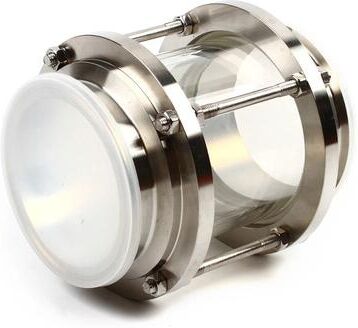
All Categories Goods Inline Sanitary Flow Sight Glass With Tri Clamp Sight Glass For Food & Beverage Inline Sanitary Flow Sight Glass With Tri Clamp Sight Glass For Food & BeverageImagine always knowing exactly whats flowing through your system at a glance no guesswork, no interruptions. This 4 approx inline sight glass gives brewers, food processors, and beverage makers a crystalclear view of liquids in motion, so you can...126,97 $*Shipping: 0,00 $Secure redirect to the provider
-
In which direction does the current flow, in which direction do the electrons always flow?
The current flows from the positive terminal to the negative terminal in a circuit, following the conventional flow of positive charge. However, the electrons always flow in the opposite direction, from the negative terminal to the positive terminal. This is due to the historical convention of defining current flow before the discovery of the electron, which led to the opposite direction of electron flow being labeled as the conventional current flow. **
-
In which direction does electricity flow?
Electricity flows from the source of power, such as a battery or power plant, towards the device or appliance that is using the electricity. This flow of electric charge is typically from the positive terminal to the negative terminal in a circuit. It is important to note that the flow of electricity is actually the movement of electrons, which are negatively charged particles, in the opposite direction from the conventional current flow. **
-
Is the resistance gene a type of reporter gene, for example the ampicillin resistance gene?
No, the resistance gene is not a type of reporter gene. Reporter genes are used to monitor the activity of a promoter or the expression of a gene, while resistance genes provide cells with the ability to survive in the presence of certain selective agents, such as antibiotics. The ampicillin resistance gene, for example, allows bacteria to grow in the presence of ampicillin by producing an enzyme that inactivates the antibiotic. While both types of genes are commonly used in molecular biology research, they serve different purposes in experimental design. **
-
How does gene regulation occur in the src gene?
Gene regulation in the src gene occurs through a combination of transcriptional and post-transcriptional mechanisms. Transcriptional regulation involves the binding of transcription factors to specific regulatory elements in the DNA, which can either activate or repress gene expression. Post-transcriptional regulation involves the processing and stability of the mRNA transcript, as well as the regulation of translation. Additionally, the src gene can also be regulated by epigenetic modifications such as DNA methylation and histone modifications, which can influence its accessibility to transcriptional machinery. Overall, gene regulation in the src gene is a complex process involving multiple levels of control to ensure the appropriate expression of the gene. **
Similar search terms for Gene flow
-
"BergHOFF Gene Stainless Steel Paring Knife 3.5""""DiNA Gene 3.5"" Paring Knife is a versatile and essential tool for any kitchen. Indispensable for everyday vegetable peeling or fruit paring, this stainless steel paring knife is one of those kitchen items you'll reach for time and again."22,49 $*Shipping: 0,00 $Secure redirect to the provider
-
BergHOFF Gene 4Pc Stainless Steel Knife SetDiNA Gene 4pc Knife set is a must-have for any kitchen, offering a variety of knives to cover all your cutting and slicing needs. Each knife in this set is made of high-quality stainless steel, ensuring durability and long-lasting sharpness.89,99 $*Shipping: 0,00 $Secure redirect to the provider
-
"BergHOFF Gene Stainless Steel Carving Knife 8"" - Black""DiNA Gene 8"" Carving Knife is designed to provide exceptional durability and precision. The blade is sharp and sturdy, allowing for effortless slicing and carving of various meats, such as turkey, ham, and roast beef."27,99 $*Shipping: 0,00 $Secure redirect to the provider
-
What is the difference between the direction of electron flow and the direction of conventional current flow?
The direction of electron flow is the movement of electrons from the negative terminal to the positive terminal of a power source, while the direction of conventional current flow is the opposite, from the positive terminal to the negative terminal. This is because the concept of current flow was established before the discovery of electrons, so it was initially assumed that positive charges were moving. In reality, electrons are the negatively charged particles that actually move in a circuit, but the convention of current flow remains from positive to negative. **
-
How is gene regulation carried out in the src gene?
Gene regulation in the src gene is primarily controlled by a process called transcriptional regulation. This involves the binding of specific transcription factors to regulatory regions of the gene, such as enhancers and promoters, to either activate or repress gene expression. Additionally, post-transcriptional mechanisms, such as alternative splicing and mRNA stability, can also influence the expression of the src gene. Overall, the regulation of the src gene is a complex process involving multiple levels of control to ensure proper gene expression in response to various cellular signals and environmental cues. **
-
In which direction does the water flow?
The water flows from left to right in the image. This can be inferred from the movement of the water droplets and the direction of the ripples in the water. The water appears to be flowing towards the right side of the image. **
-
'In which direction does electric current flow?'
Electric current flows from the positive terminal to the negative terminal in a circuit. This convention is based on the historical understanding of electricity and is known as conventional current flow. However, in reality, the flow of electrons (which carry the electric current) is from the negative terminal to the positive terminal, in a direction opposite to conventional current flow. **
* All prices are inclusive of VAT and, if applicable, plus shipping costs. The offer information is based on the details provided by the respective shop and is updated through automated processes. Real-time updates do not occur, so deviations can occur in individual cases. ** Note: Parts of this content were created by AI.